 Open Books
In 2024, the average WeightWatchers subscription cost about $17 a month. $2.50 of that went to lenders.1 None of it went to the coaches, the app, or the rented rooms where the workshops happened. It went to interest, on money the company borrowed and spent on something no member ever saw.
WeightWatchers filed for bankruptcy in May 2025, and the reason everybody gives is Ozempic.2 Ozempic is real, and it did take the members. It is also the second time this happened. The first time was nine years before the drug existed.
In the 26 weeks WeightWatchers spent inside that bankruptcy, the business itself earned $21 million.3 The workshops kept running, the app kept working, and the operation was profitable the whole time the company was being taken apart.
One sentence in a filing from 2012 explains how that is possible, and a set of accounts from 1999 shows it was not the first time.
$71 million
In 1961 a neighbour stopped Jean Nidetch in a shop in Queens, told her she looked wonderful, and asked when the baby was due. She was not pregnant. She was 72 pounds overweight, she had been to a New York City obesity clinic, and she knew perfectly well what she was supposed to eat.4
What she did was invite a group of overweight friends to the basement of her apartment building and talk about it every week. That is not legend. It is the company’s own account of its founding, written into the prospectus it filed when it went public.5

And that is the entire invention. The clinic had already given her a diet for nothing, and there was no points chart yet. What she added was a room, a weekly appointment, and other people in the same position.
In 1963 she and Al and Felice Lippert formally launched Weight Watchers.5 To be a coach, a person had to have done the programme themselves, reached their goal weight, and held it. Coaches were paid by the workshop, in rooms hired by the hour, in church halls and community centres and units at the back of shopping centres. They were the product.

Here is what that meant in practice. In the early sixties a woman in Detroit called Florine Mark had tried diet pills and got nowhere, went to a meeting in New York, and lost 50 pounds. There was no Weight Watchers in Michigan, so she asked for a franchise. The banks would not lend to a woman on her own account. She found the money anyway, and in 1966 she opened the first Weight Watchers in Michigan and held the first meeting in a school auditorium.6 Five years after the basement in Queens, the same room by another name. She would run it for 50 years.
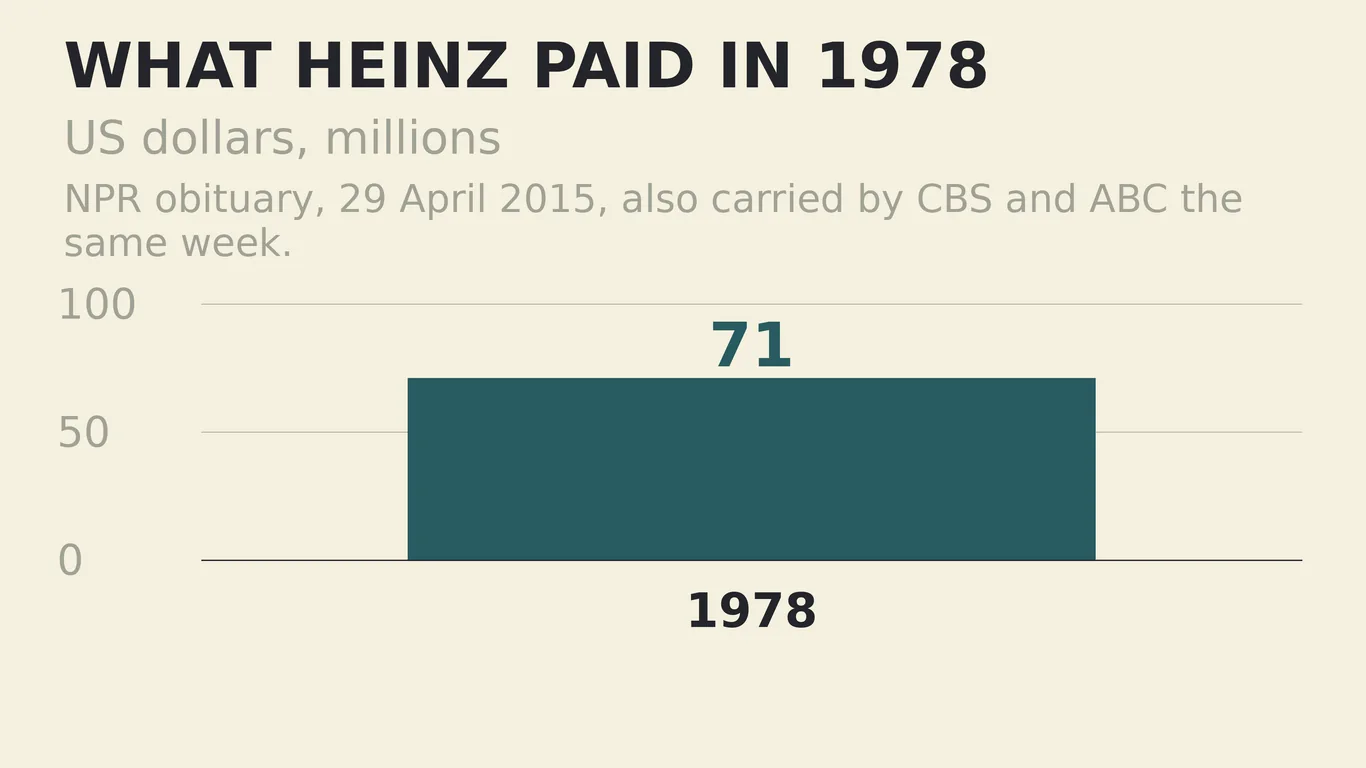
In 1978 Nidetch sold the company to the H.J. Heinz Company for $71 million.7 Hold on to that number.
$40 million, then $475 million
Twenty-one years later Heinz wanted out, and the way that was done matters far more than the price.
The buyer was Artal, an investment company run out of midtown Manhattan on behalf of a small number of wealthy European families. But Artal did not simply buy Weight Watchers from Heinz. On 29 September 1999, Weight Watchers bought most of itself back from its own parent. It redeemed 164 million of its own shares from Heinz, for $350 million. Only then did Artal buy most of what was left, for $224 million.8

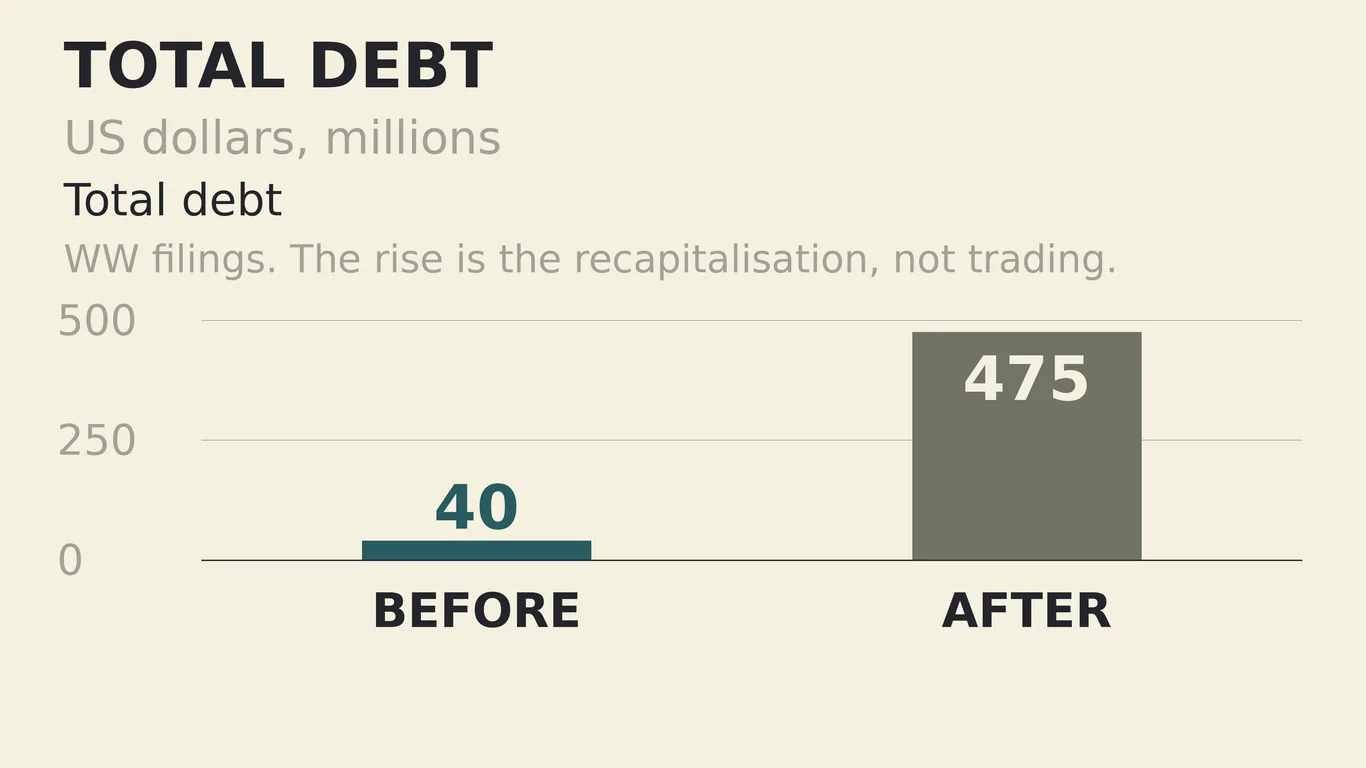
The company borrowed to pay for its half, and the accounts show what that did. Total debt went from $40 million to $475 million. The year before the deal, Weight Watchers earned $7 million in net interest. Within two years it was paying $43 million.9
Nothing about the workshops changed. The same coaches stood in the same hired rooms, and the company that employed them now owed nearly half a billion dollars, because that was the price of its previous owner leaving.
In 2001 it floated on the New York Stock Exchange, and Artal sold shares into the float while keeping control of the company.10 Remember the shape of that, because it happens again.
$180.7 million
It happened next in 2003, and this time the company bought a person.
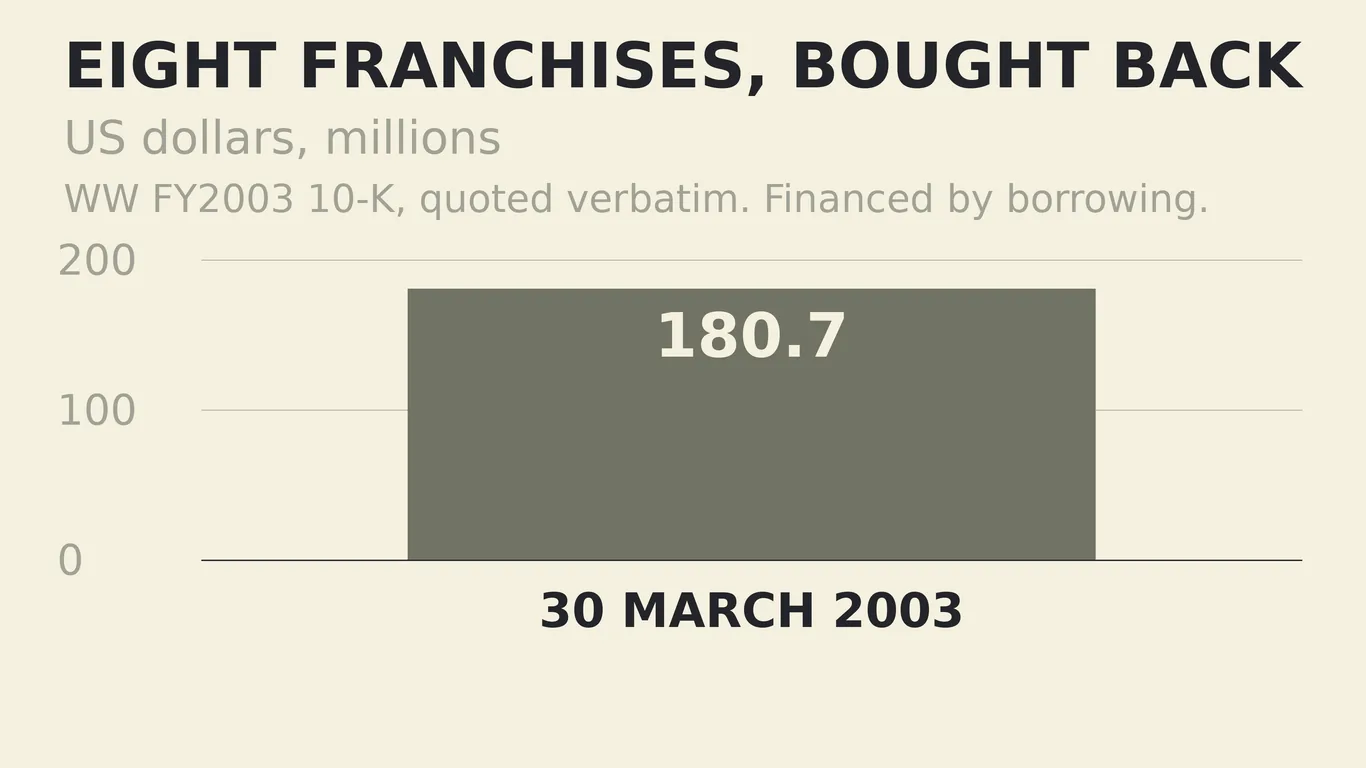
By then Florine Mark’s company ran 15 franchises, across Michigan, a dozen other states, Canada and Mexico. On 30 March that year, Weight Watchers bought eight of those franchises from her for $180.7 million. The filing says plainly how it was paid for: cash, and $85 million of additional borrowings.11

Four years after borrowing to buy out its parent, the company borrowed again to buy out its best operator. Nothing about her rooms changed either. The same leaders stood in front of the same members, and the debt against them went up.
The best year
By 2011 the business was at its peak, and the numbers are worth taking slowly. Revenue of $1.8 billion. Operating profit of $546 million.12
That is nearly 30 cents of operating profit on every dollar a member paid, from a company that owned no property and carried no stock, because the rooms were rented by the hour and the product was an hour of somebody’s time.
A business that reliable can borrow an enormous amount of money. In February 2012, it did.
Substantially equal to its current level
On 14 February 2012, Weight Watchers announced it would repurchase about $1.5 billion of its own shares, and that it would borrow to pay for them.13 That is nearly three times what the company earned from operations in its best ever year.
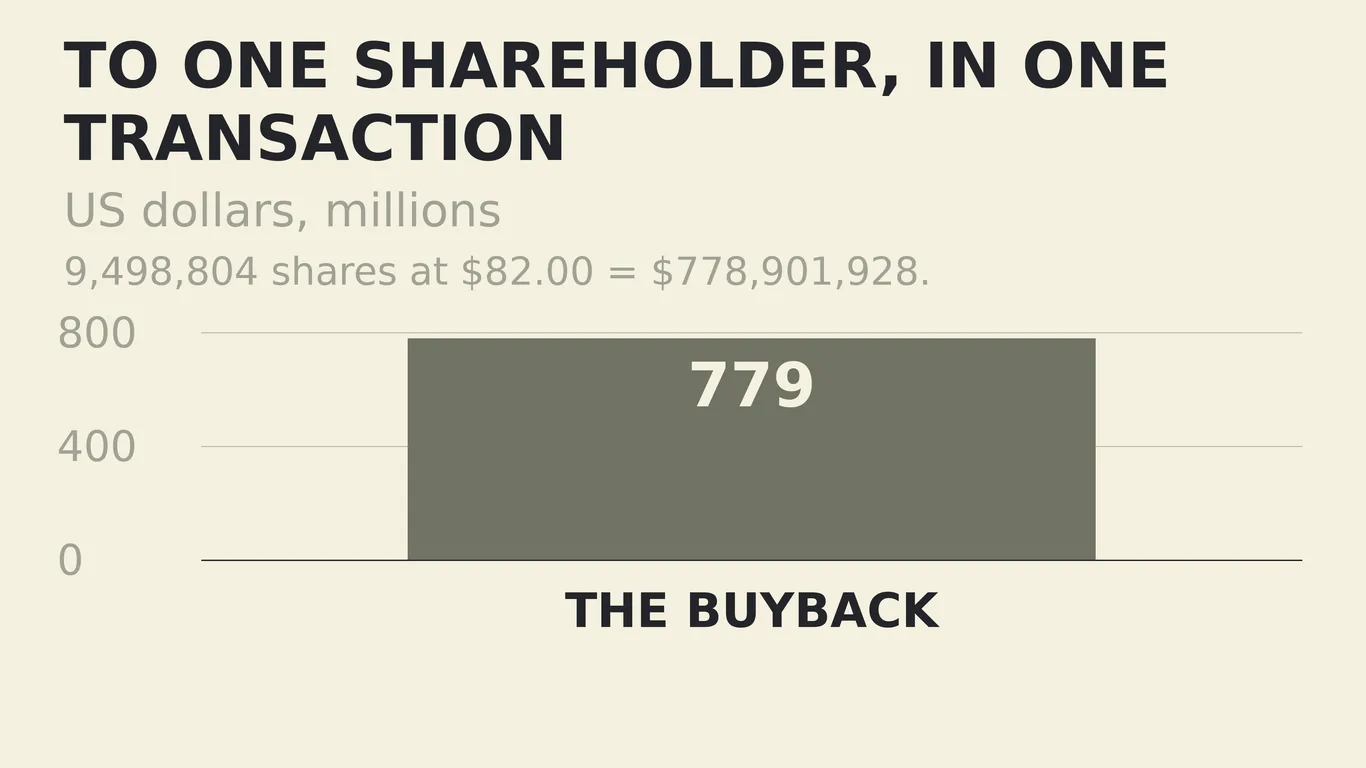
The repurchase came in two halves, and the halves were not alike. The first was a public offer, open to any shareholder, and it took $720 million of the money. The second was a private purchase from Artal alone, Raymond Debbane’s firm: 9.5 million shares, at the same $82, settled on 6 April 2012.14 That came to $779 million, to one shareholder, in one transaction.

The company set out in its filing to the regulator why Artal’s half existed, and that explanation is the most useful sentence in the whole story. The purchase from Artal was sized so that Artal’s percentage ownership interest, after both halves, would be, in the company’s words, “substantially equal to its current level”.15
So $779 million left the company and went to Artal, and Artal owned the same fraction of Weight Watchers afterwards as before. The cash went out, the ownership stayed, and the borrowed $1.5 billion stayed as well.
The same document says why the company wanted the borrowings at all. It believed they would result in, and these are its words, “a more efficient capital structure that more effectively uses financial leverage”.15 That is a plain description of what happened. More leverage means more debt, and the efficiency is that the same profits now stand behind a smaller amount of shareholders’ money.
No law was broken. None needed to be. A majority shareholder is entitled to vote for a buyback it intends to sell into, and to say so in advance, in writing, to the Securities and Exchange Commission.
2012 to 2015
What happened next had nothing to do with any drug, because no such drug existed yet.
In 2012 an application called MyFitnessPal was counting calories on a phone for nothing, and it did not start charging for a premium tier until 2015, and several others were doing the same.16

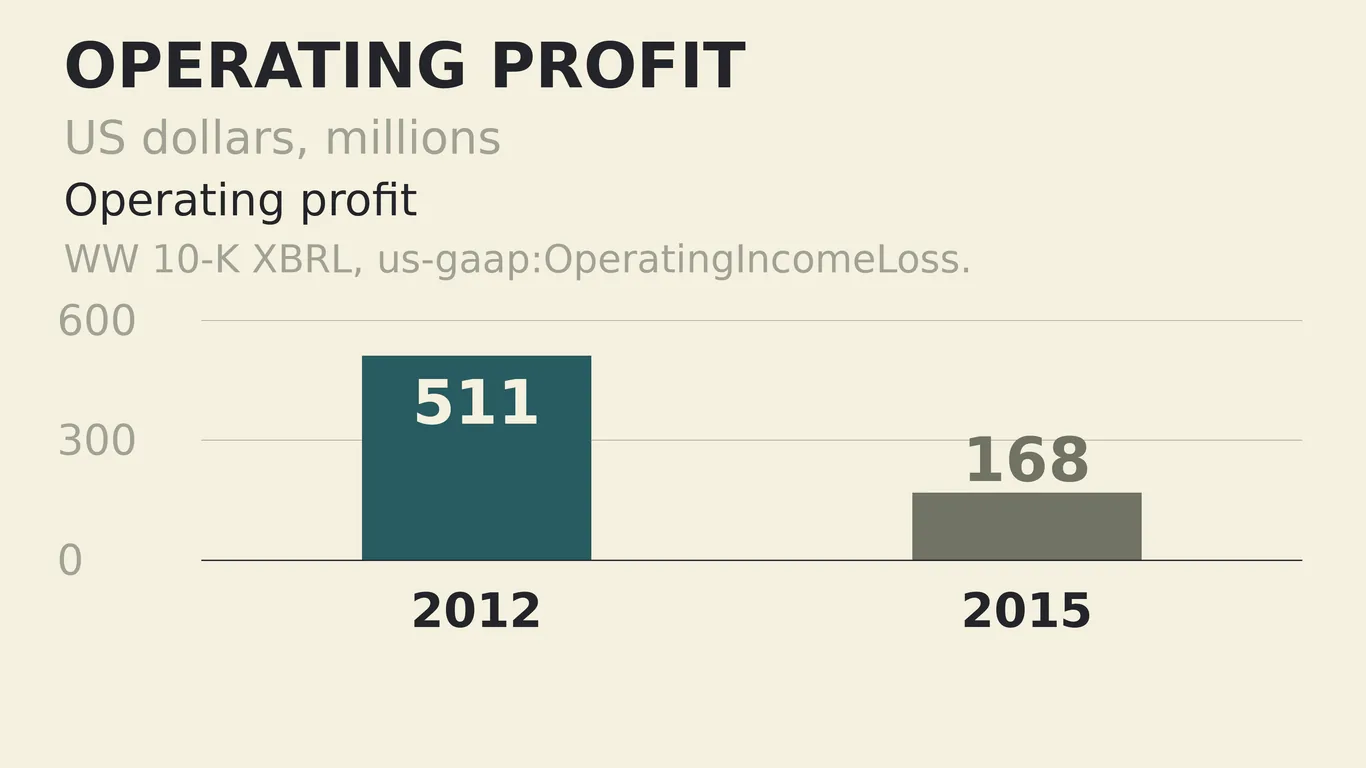
Revenue was $1.8 billion in 2012. Three years later it was $1.2 billion. That is $675 million of annual revenue, gone. Operating profit fell from $511 million to $168 million.17 The interest bill did not.
Through all of that, Florine Mark still ran Michigan and Ontario, and her leaders still stood in front of members every week. Nothing that happened in those rooms had caused any of this.
That is the whole mechanism, and it only needs saying once. The money that had been taken out in 2012 was gone, and the obligation it created was not, and the obligation did not care what the app store was doing.
October 2015
In October 2015, with the company at its lowest point, Oprah Winfrey bought 10 per cent of Weight Watchers and joined the board. She paid about $43 million, at just under $7 a share, and the share price more than doubled the same day.18
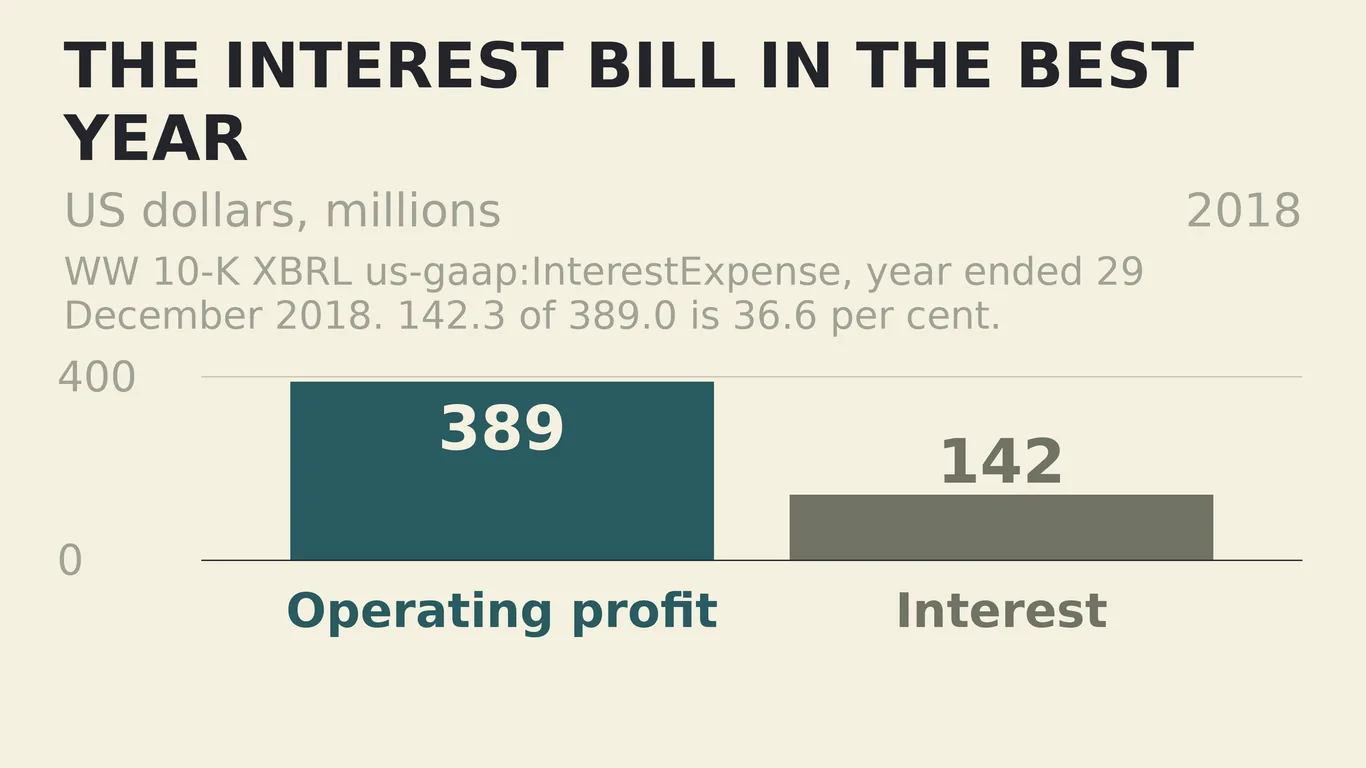
It worked, and it is the reason the company survived its first collapse. Operating profit recovered from $168 million in 2015 to $389 million in 2018. And in 2018, the best year of that recovery, the interest bill was $142 million.19 More than a third of everything the business earned that year, because the debt had been refinanced rather than repaid. The company had spent six years climbing back to a bill that had grown while it climbed.
At the end of February 2024 Oprah announced she would leave the board, and give her shares to the Smithsonian’s National Museum of African American History and Culture. Two months earlier she had said publicly that she was using a weight-loss medication. The share price fell about a quarter on the news of her departure.20
The bill that does not move
Every other cost in this business moves with the business. A coach is paid when a workshop runs. A room is paid for on the night it is hired. An advertising campaign is bought when there is something to advertise.
Interest is the same number in a good year and a bad one, and it arrives whether anybody joined that month or not.
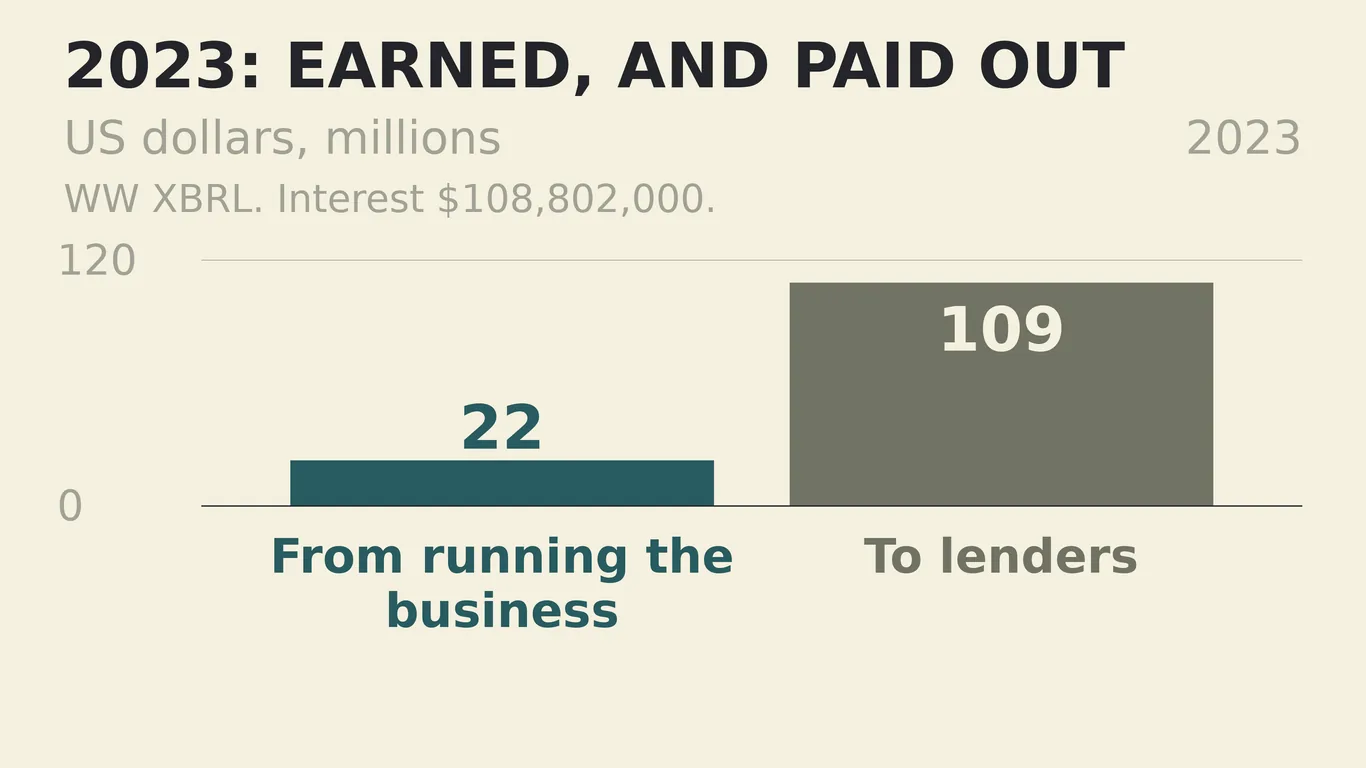
In 2023, Weight Watchers made $22 million from running its business, and paid $109 million to its lenders.21 The operation was profitable and the company lost money, by nearly five times, in a year nobody would have called a crisis.
The year after, revenue fell by a further $104 million, and the interest bill rose to $111 million.22
$2.47
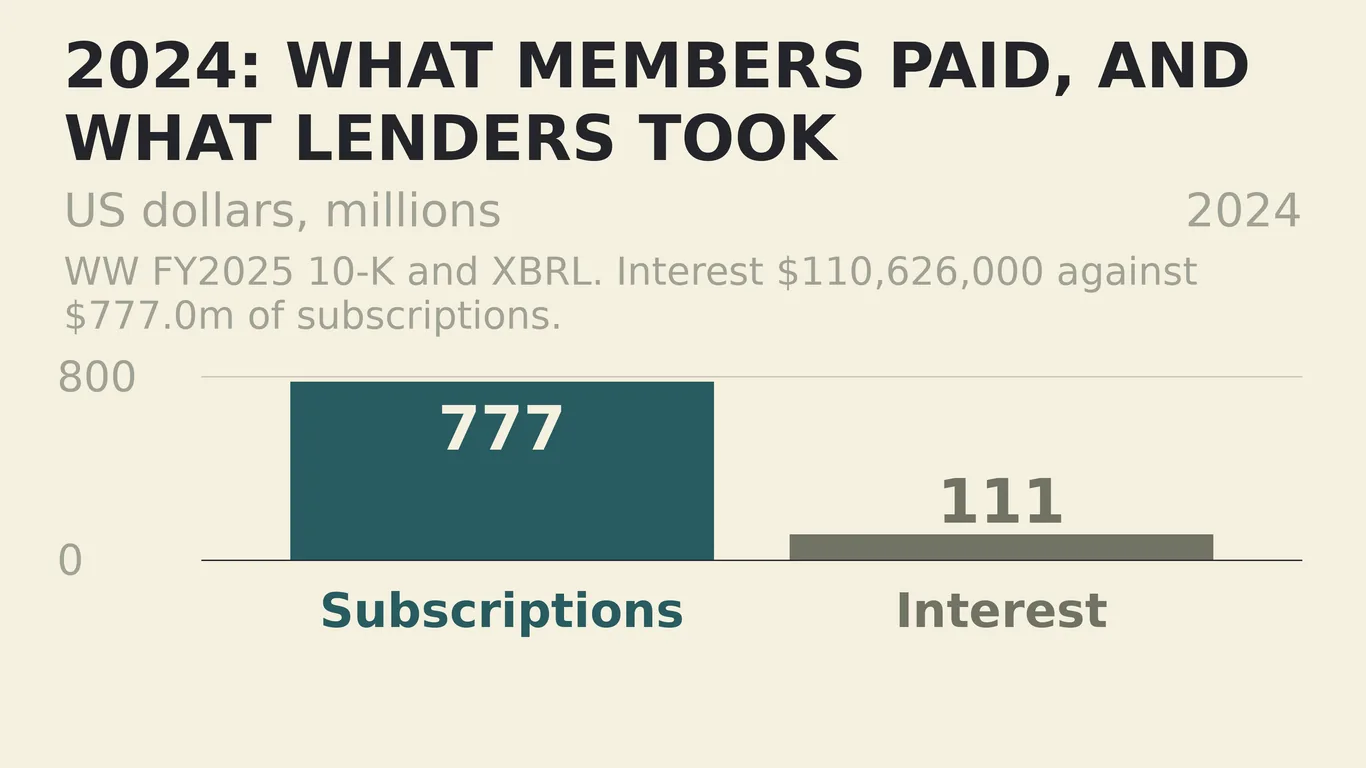
In 2024 the interest bill was $111 million, against $777 million of subscriptions. That is 14 per cent of everything the members paid. On an average subscription of $17.37 a month, that is $2.47. One dollar in every seven.1
And because the bill is fixed, every member who cancelled left their share of it behind for the ones who stayed. A fixed bill does not shrink with the membership. It concentrates. It concentrated until it could not be paid.
The drug
Semaglutide was approved in the United States for weight loss in June 2021.23 The drug did to Weight Watchers what Weight Watchers had once done to the diet pills Florine Mark gave up on.
What that does to a company selling behaviour change is simple. In one year the company lost $100 million of revenue, and the workshops lost almost a quarter of their members.24
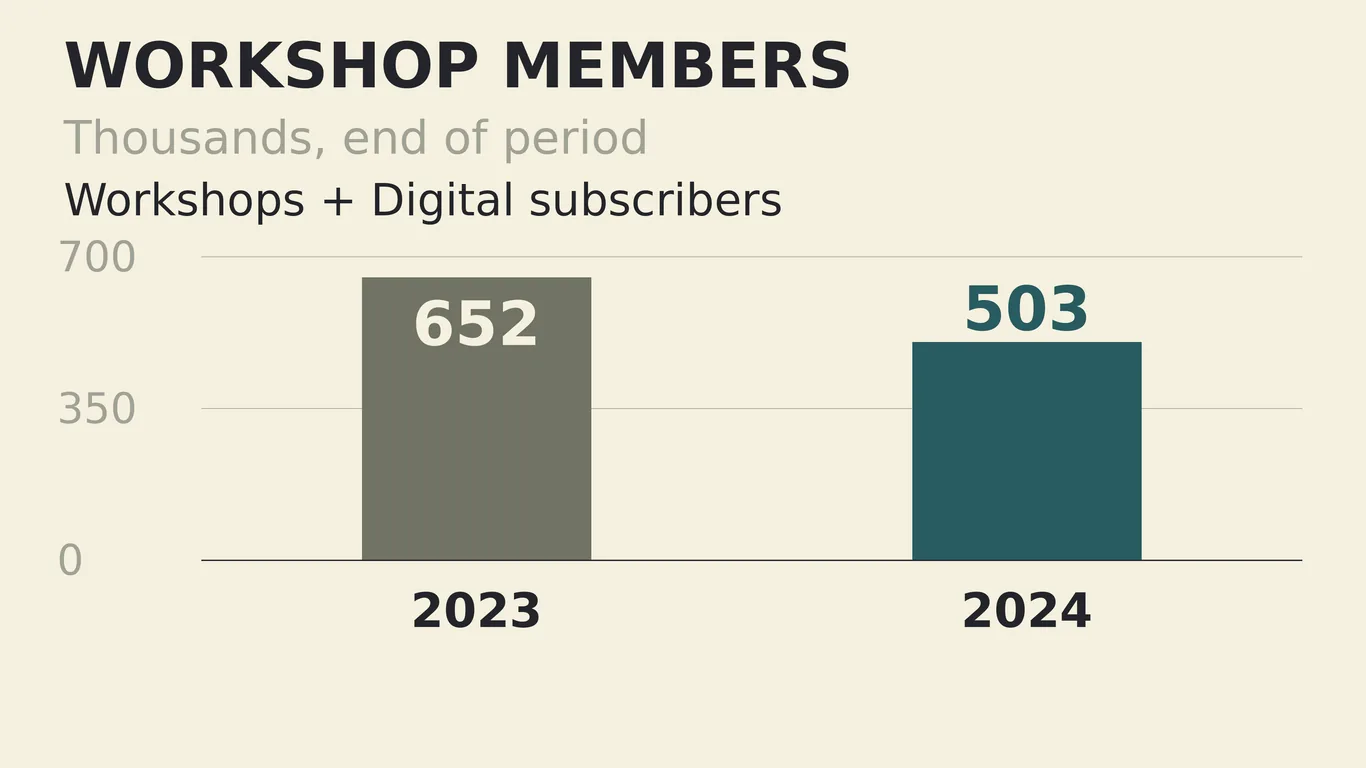
A company with no debt and a decline like that has a bad year and writes a plan. A company carrying $1.4 billion of debt has a date by which it must refinance, and in 2025 it could not.25
Forty-two days
WeightWatchers filed for Chapter 11 in Delaware on 6 May 2025, as case number 25-10829.2 The terms had been agreed with the lenders before the filing, which is why the company came out again 42 days later.
$465 million of the debt survived. The rest was cancelled. In the accounts that cancellation is recorded as income, so the year WeightWatchers went bankrupt is the only recent year in which it reported a profit.26
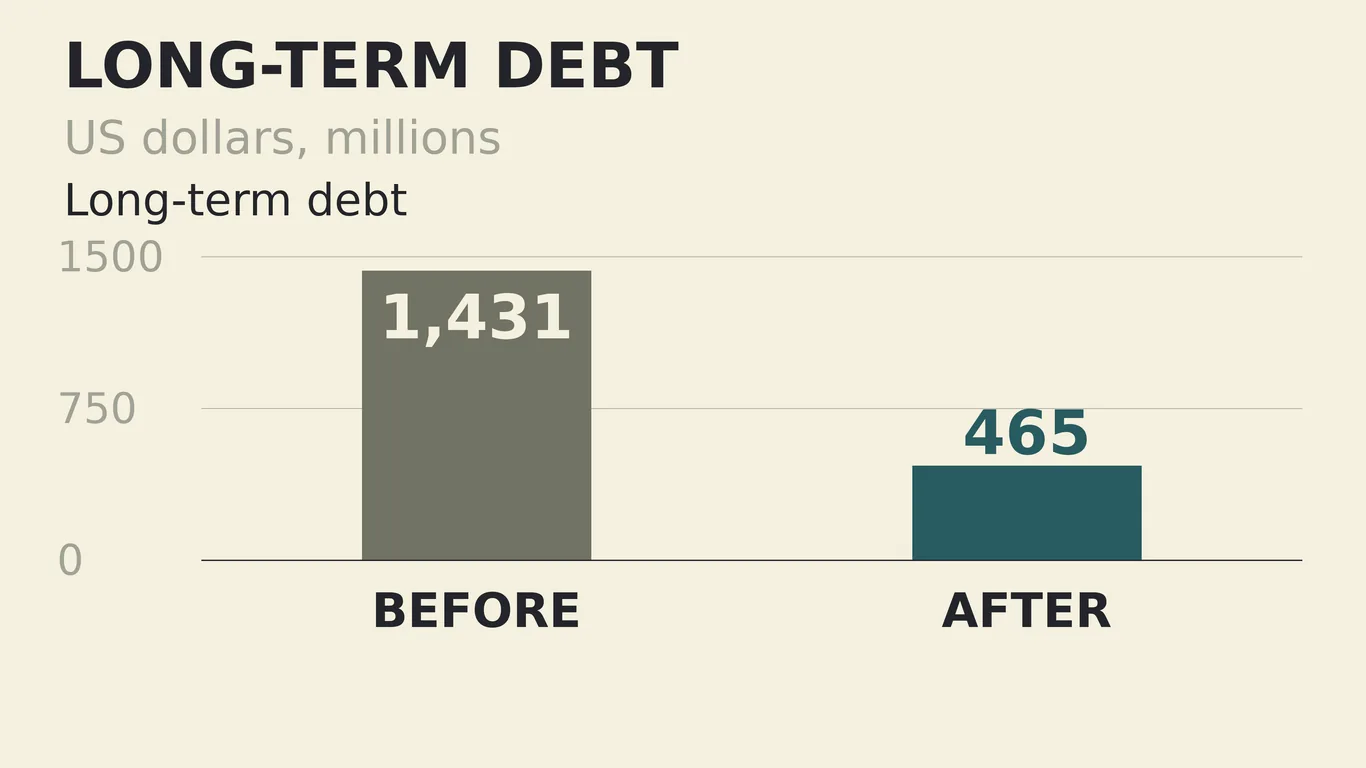
The lenders took the loss. Artal had been paid in April 2012, in cash, at $82 a share.
Who paid
Jean Nidetch died in April 2015, aged 91, six months before Oprah Winfrey bought in, in the worst year the company had had since the buyback.4
She had sold it for $71 million. Twenty-one years after that, the company borrowed nearly five times that figure to buy out the company that had bought it from her. Four years after that, it borrowed again to buy out Florine Mark. And nine years after that, it borrowed 21 times Nidetch’s figure, in a single February, and handed most of it to a holding company in Luxembourg.
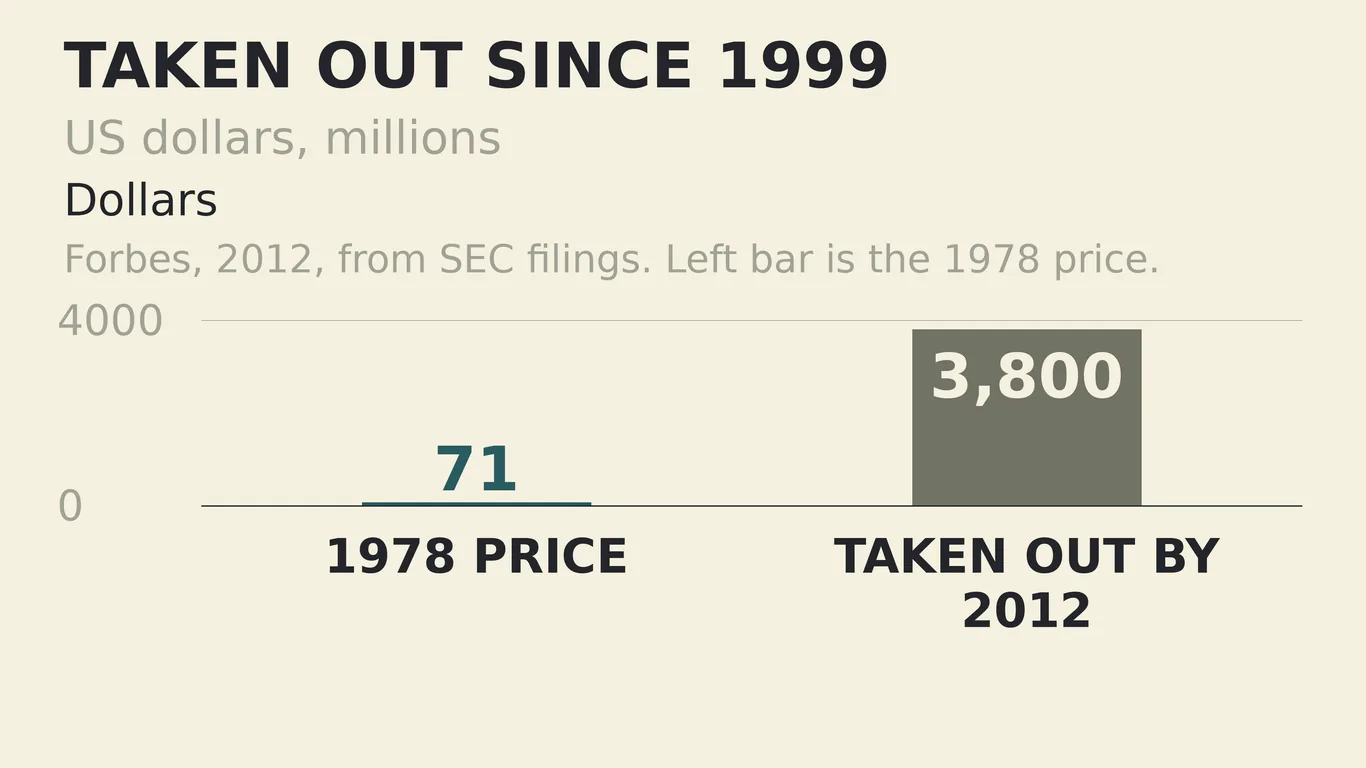
Forbes calculated in 2012, from Weight Watchers’ own filings, that Artal had by then taken $3.8 billion out of the company since 1999.27 That money was real and it came from somewhere. It came from a business steady enough that banks would lend against it, and the loan is what stayed behind when the money left.
Florine Mark sold the last of her company on 22 March 2021: Michigan for $17.5 million, and Ontario for $3.1 million.28 In 2003 the company had paid her $180 million for eight franchises. Eighteen years later the last two went for $20 million.
She told a Detroit paper why she was selling. Weight Watchers had closed most of its centres and wanted to go digital, and she was not in the digital business. She signed a three-year consulting contract rather than retire, because, she said, she was a motivator.6 She died in October 2023, aged 90.29
At the end of 2024, three and a third million people were still subscribing, at an average of $17.37 a month. $2.47 of each member’s monthly payment went on interest, and none of them were told.
Where it is now
WeightWatchers came out of court with $465 million of debt in place of $1.4 billion, and with its lenders holding nine in every ten of its shares.30
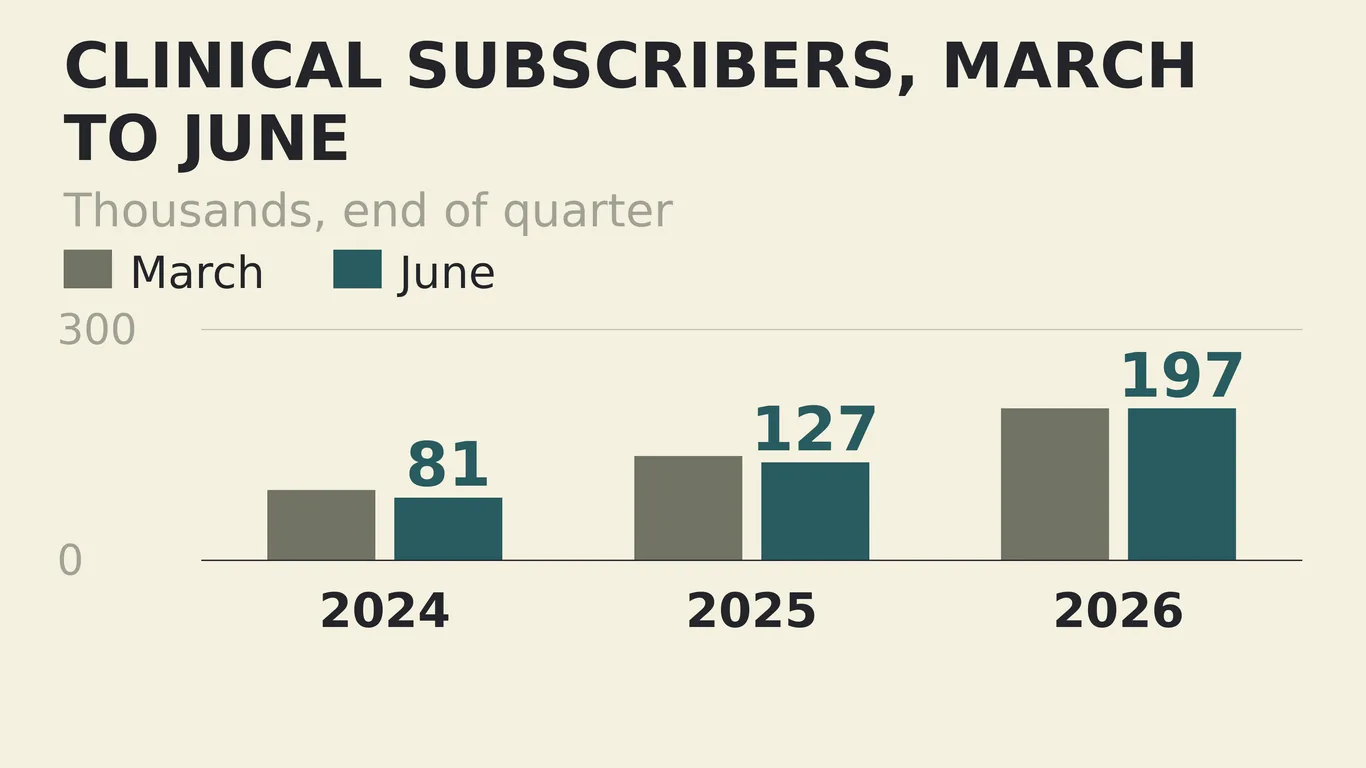
By the end of June 2026 it was down to 2.5 million subscribers, and the members who came for the meetings and the app were a quarter fewer than a year before. The clinical business, which puts a member in front of a clinician who can write a prescription, had grown by more than half in a year, to 197,000.31
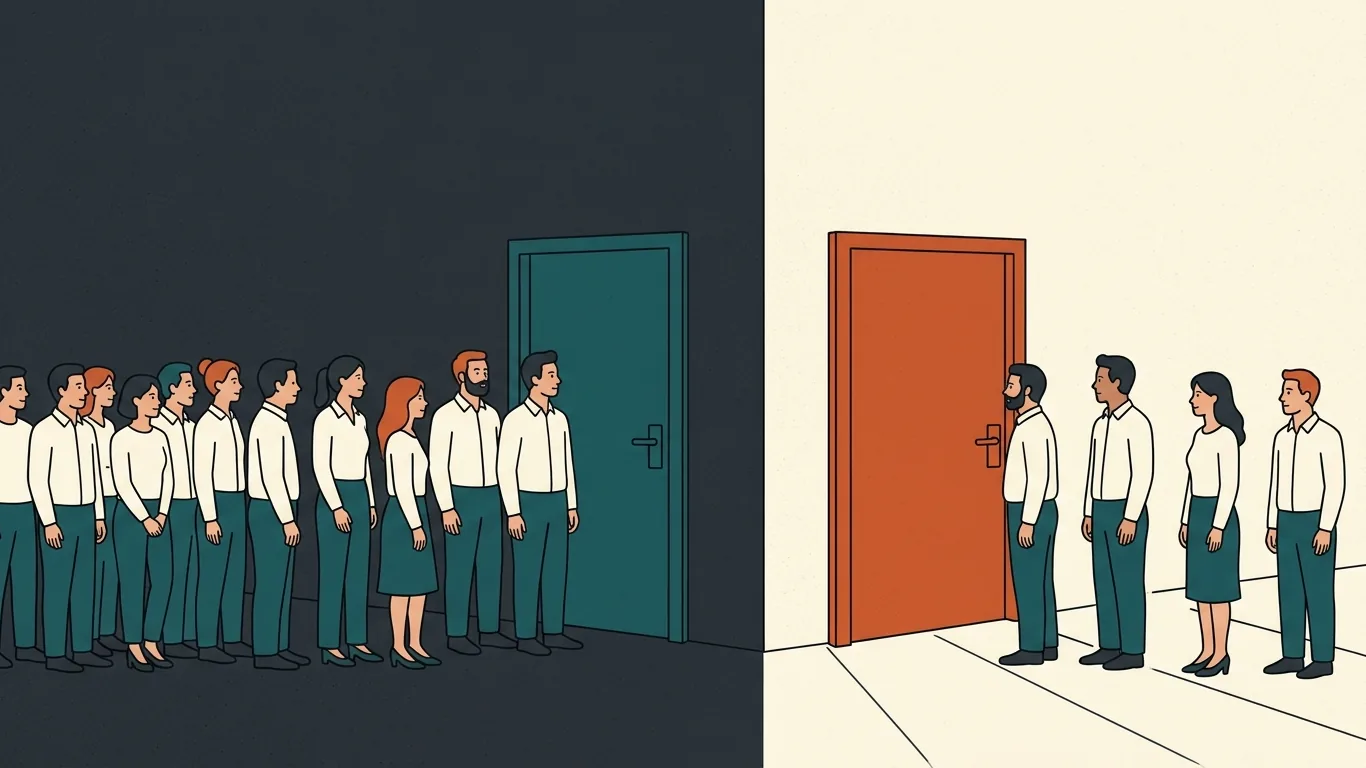
A company that spent 60 years arguing the answer was a room full of people now sells the thing that emptied the room.
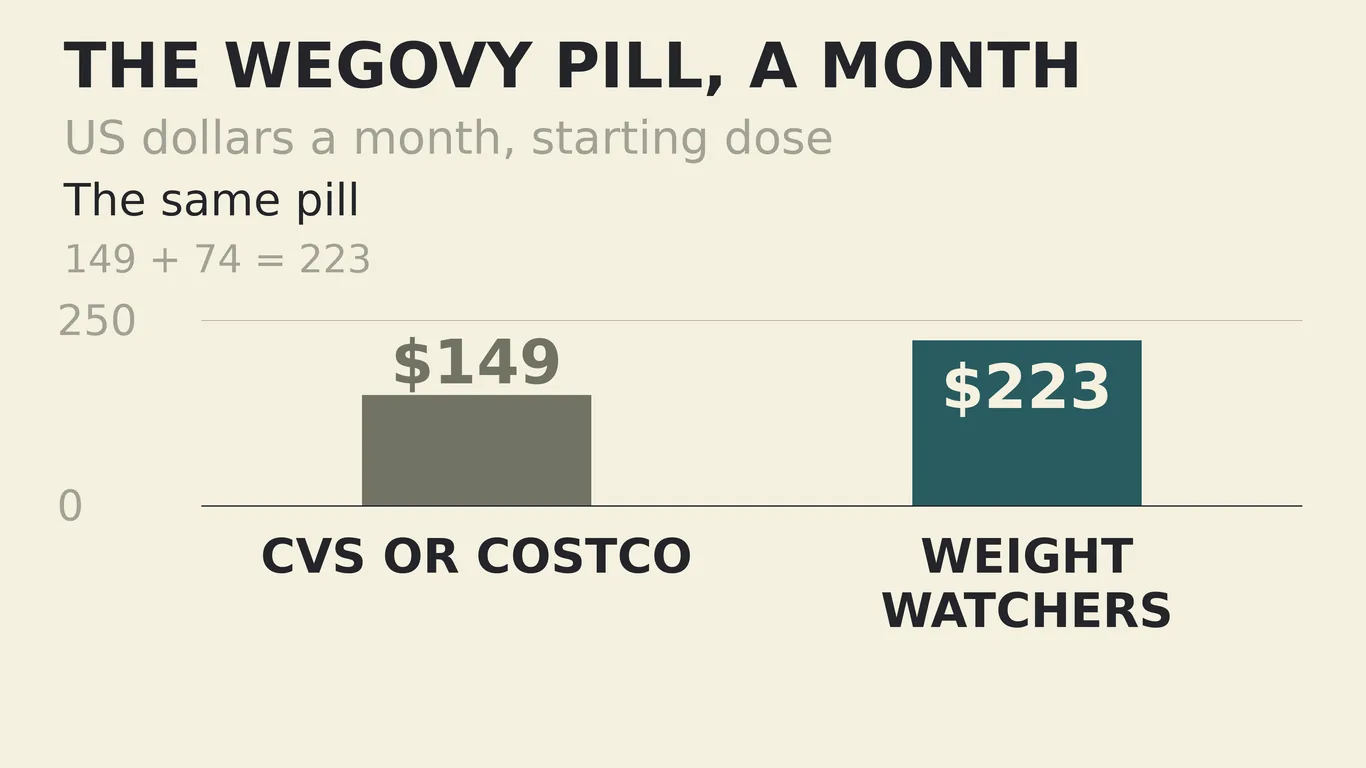
The Wegovy pill costs $149 a month at the starting dose, whether it comes through Weight Watchers or from CVS or Costco. Weight Watchers adds a membership, from $74 a month, on top of the pill.32
The company’s case is that a prescription on its own is not a plan. In August its chief operating officer told investors that the market was filling up with companies offering prescriptions without guidance, and that Weight Watchers gave its members “the best of both worlds”.33
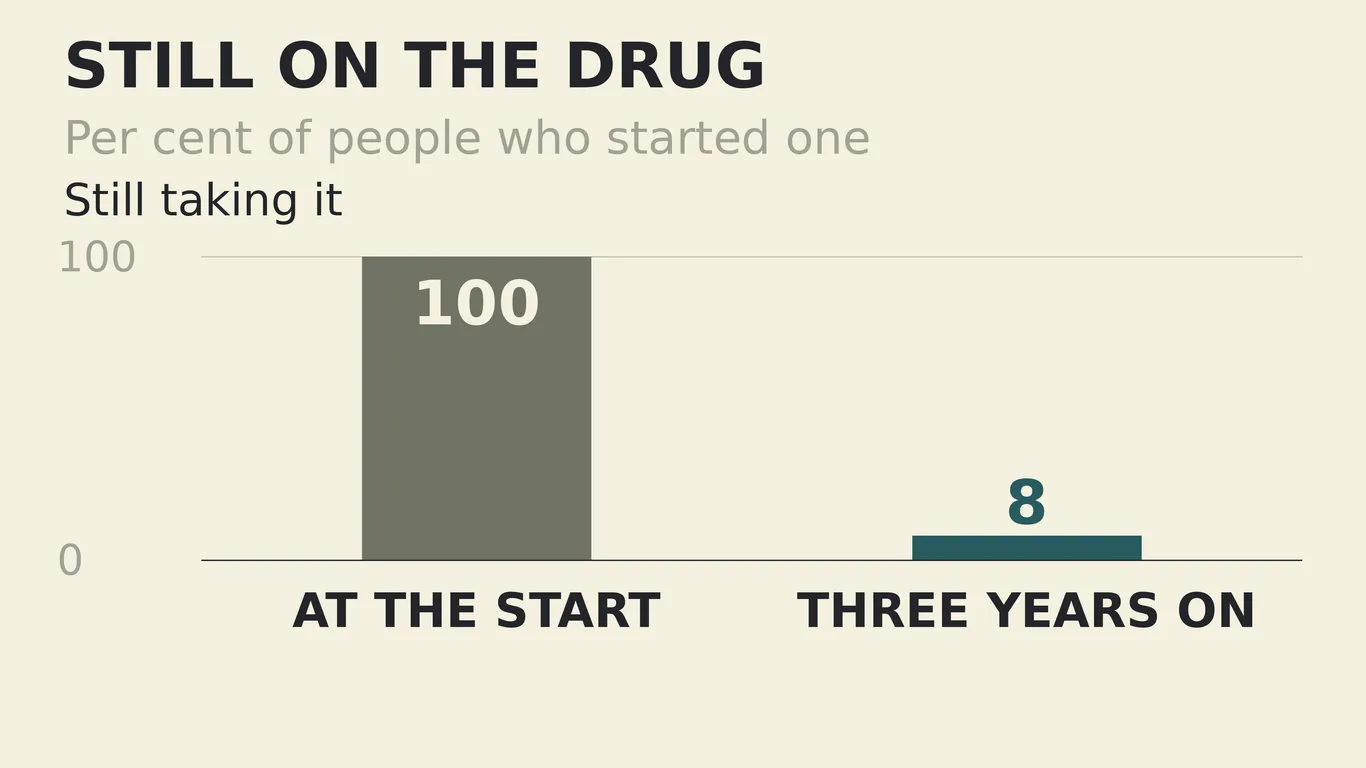
Prime Therapeutics, which manages drug benefits for American health insurers, found that only one in twelve people who started a GLP-1 for weight loss were still taking it three years later.34 People who stop taking the drugs still have to keep the weight off, which is the problem Weight Watchers has been selling help with for 60 years.
From March to June 2026 clinical subscribers held at 197,000, over months when they had dropped in each of the two years before, though the company expects them to fall for the rest of the year.35
In September 2026 it named a new chief executive, Stephen Bye, who had run Ookla, the company behind the Speedtest app, and its shares fell by about 15 per cent that day.36
The whole company is now worth less than $150 million, under a tenth of what it borrowed in that single February of 2012.37
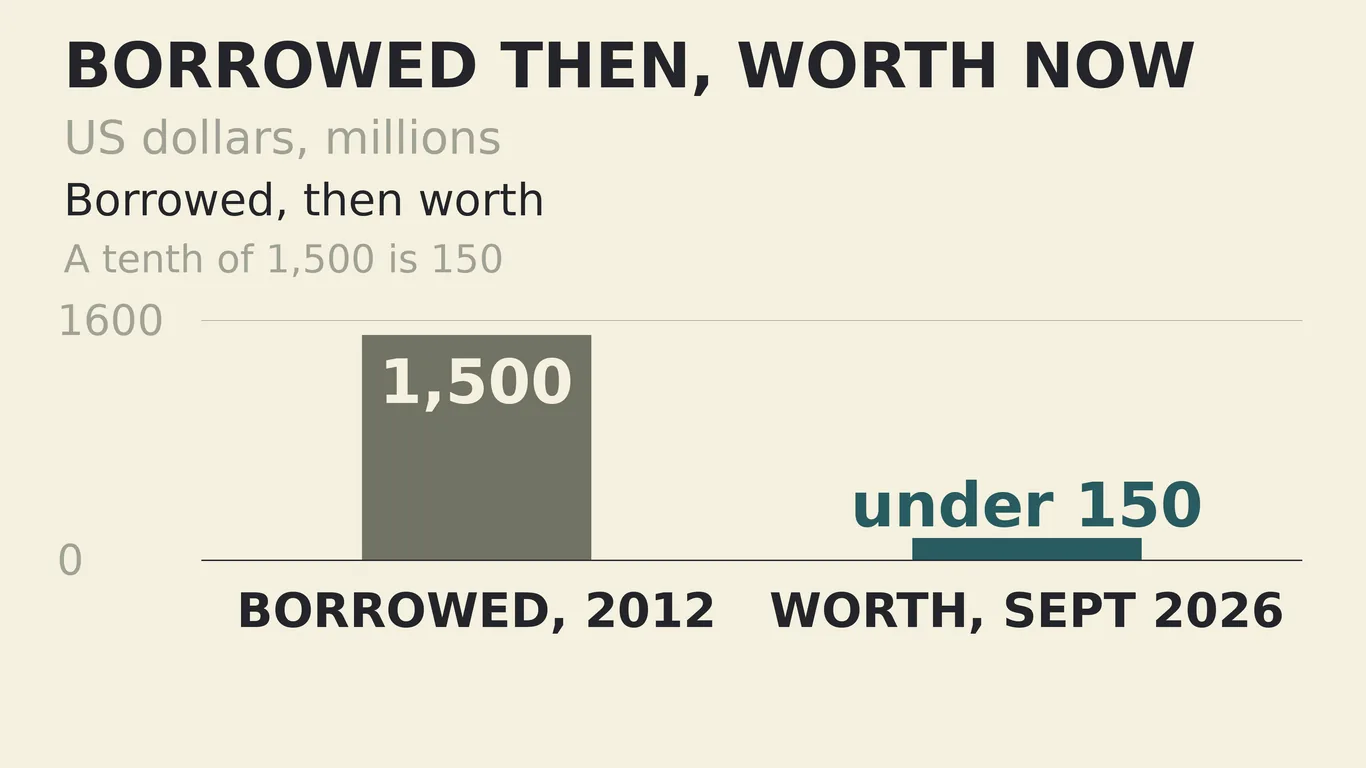
The drugs took Weight Watchers’ members, the debt took the company, and the drugs may yet be what brings it back.
The same pill costs the same at CVS, so what Weight Watchers is worth now comes down to how many people will pay it an extra $74 a month for its help.

Sources
-
WW International, Form 10-K for fiscal 2025, Metrics and Business Trends: monthly subscription revenue per average subscriber of $17.37 and total subscription revenue of $777.0 million in fiscal 2024. Interest expense of $110,626,000 in fiscal 2024 (XBRL). $110.6m / $777.0m is 14.2 per cent, and 14.2 per cent of $17.37 is $2.47. ↩ ↩2
-
WW International, Form 8-K, 7 May 2025: voluntary Chapter 11 petition, District of Delaware, case 25-10829. ↩ ↩2
-
WW International, Form 10-K for fiscal 2025: operating income of $21,203,000 in the predecessor period, 29 December 2024 to 24 June 2025. ↩
-
Weight Watchers International, IPO prospectus (Form 424B1), 2001, History and Early Development. ↩ ↩2
-
Detroit Jewish News, 5 April 2021, including her own words on selling and retiring; Detroit Historical Society, Encyclopedia of Detroit, on the first Michigan franchise in 1966. ↩ ↩2
-
NPR obituary of Jean Nidetch, 29 April 2015, also carried by CBS News and ABC News. The price is not in any filing. ↩
-
Weight Watchers International, 2001 IPO prospectus, note 1, Recapitalization: 164.44 million shares redeemed from Heinz for $349.5 million, then 94 per cent of the remaining common stock bought by Artal Luxembourg for $223.7 million. ↩
-
Weight Watchers International, 2001 IPO prospectus, Summary Historical Consolidated Financial Information: total debt of $39.6 million (fiscal 1999) and $474.6 million (fiscal 2000); net interest income of $7.1 million in fiscal 1999 and net interest expense of $42.9 million in the nine months to 28 October 2000. ↩
-
Weight Watchers International, 2001 IPO prospectus. Artal’s continuing holding of about 52 per cent is stated in the 2012 Offer to Purchase. ↩
-
Weight Watchers International, Form 10-K for fiscal 2003: eight of the fifteen franchises of The WW Group, Inc. and its affiliates, acquired on 30 March 2003 for $180.7 million, financed through cash and additional borrowings. ↩
-
Weight Watchers International, Form 10-K for fiscal 2011 (XBRL): revenue of $1,832,494,000 and operating income of $546,328,000, a margin of 29.8 per cent. ↩
-
Weight Watchers International, Form 8-K and Schedule TO-C, both 14 February 2012. ↩
-
Weight Watchers International, Schedule TO-I/A, Amendment No. 3, 28 March 2012: 8,780,485 shares bought in the tender at $82.00 for about $720.0 million, and 9,498,804 shares bought from Artal at $82.00, which is $778,901,928. ↩
-
Weight Watchers International, Offer to Purchase, February 2012, quoted verbatim. ↩ ↩2
-
MyFitnessPal introduced its premium subscription on 4 May 2015. The app was free before that. ↩
-
Weight Watchers International, Form 10-K filings (XBRL): revenue of $1,839,432,000 in 2012 and $1,164,419,000 in 2015; operating income of $510,805,000 in 2012 and $168,058,000 in 2015. ↩
-
CNN Money, 19 October 2015. ↩
-
Weight Watchers International, Form 10-K for fiscal 2018 (XBRL): operating income of $388,985,000 and interest expense of $142,346,000. ↩
-
NPR, 1 March 2024, on the announcement of 29 February 2024; Oprah Winfrey’s own statement to People magazine, December 2023. ↩
-
WW International, Form 10-K for fiscal 2023 (XBRL): operating income of $22,333,000 and interest expense of $108,802,000. ↩
-
WW International, Form 10-K for fiscal 2024 (XBRL): revenue of $785.9 million against $889.6 million in 2023, and interest expense of $110,626,000. ↩
-
US Food and Drug Administration, approval of Wegovy (semaglutide) for chronic weight management, 4 June 2021. ↩
-
WW International, fourth quarter and fiscal 2024 results, Form 8-K exhibit 99.1: Workshops and Digital end of period subscribers of 652 thousand at 30 December 2023 and 503 thousand at 28 December 2024. ↩
-
WW International, Form 10-K for fiscal 2025 (XBRL): long-term debt of $1,430,643,000 at 28 December 2024. ↩
-
WW International, Form 10-K for fiscal 2025 (XBRL): long-term debt of $465,466,000 at 31 December 2025, and reorganization items of $1,143,918,000 of income in the predecessor period. ↩
-
Nathan Vardi, Forbes, 4 September 2012, calculated from SEC filings. ↩
-
WW International, Form 10-K for fiscal 2021: the Michigan territories of The WW Group, Inc. acquired on 22 March 2021 for $17.5 million, and the Ontario territories for $3.1 million. ↩
-
Fortune obituary of Florine Mark, 13 October 2023. ↩
-
WW International, Form 10-K for fiscal 2025. The lenders’ share of the new equity, about 91 per cent, is as reported when the restructuring was announced on 6 May 2025. ↩
-
WeightWatchers, second quarter 2026 results, 5 August 2026: 2.489 million end of period subscribers; Behavioral subscribers down 24.6 per cent; Clinical subscribers of 197 thousand, up 55.7 per cent. ↩
-
Novo Nordisk press release, January 2026: Wegovy pill starting dose at $149 a month self-pay, with CVS and Costco listed. WeightWatchers Med+ membership from $74 a month, weightwatchers.com, read 25 September 2026. ↩
-
Jon Volkmann, chief operating officer, WeightWatchers second quarter 2026 earnings call, 5 August 2026. ↩
-
Prime Therapeutics press release, 25 June 2025: 8 per cent of people without diabetes who started a GLP-1 for obesity were still taking it at three years. ↩
-
WeightWatchers first and second quarter results for 2024, 2025 and 2026, clinical end of period subscribers; Felicia DellaFortuna, chief financial officer, on the second quarter 2026 call, 5 August 2026. ↩
-
WeightWatchers press release, 9 September 2026; StockStory, 9 September 2026, a fall of 14.8 per cent. ↩
-
About 10.0 million shares outstanding at $13.99 to $14.98, 24 September 2026. A tenth of $1.5 billion is $150 million. ↩