 Open Books
There is one mile of road in suburban Houston with four express car washes on it. Two of them face each other across the same street, which is either confidence or a dare. All four opened within three years, and all four sell the same thing, an unlimited monthly pass.
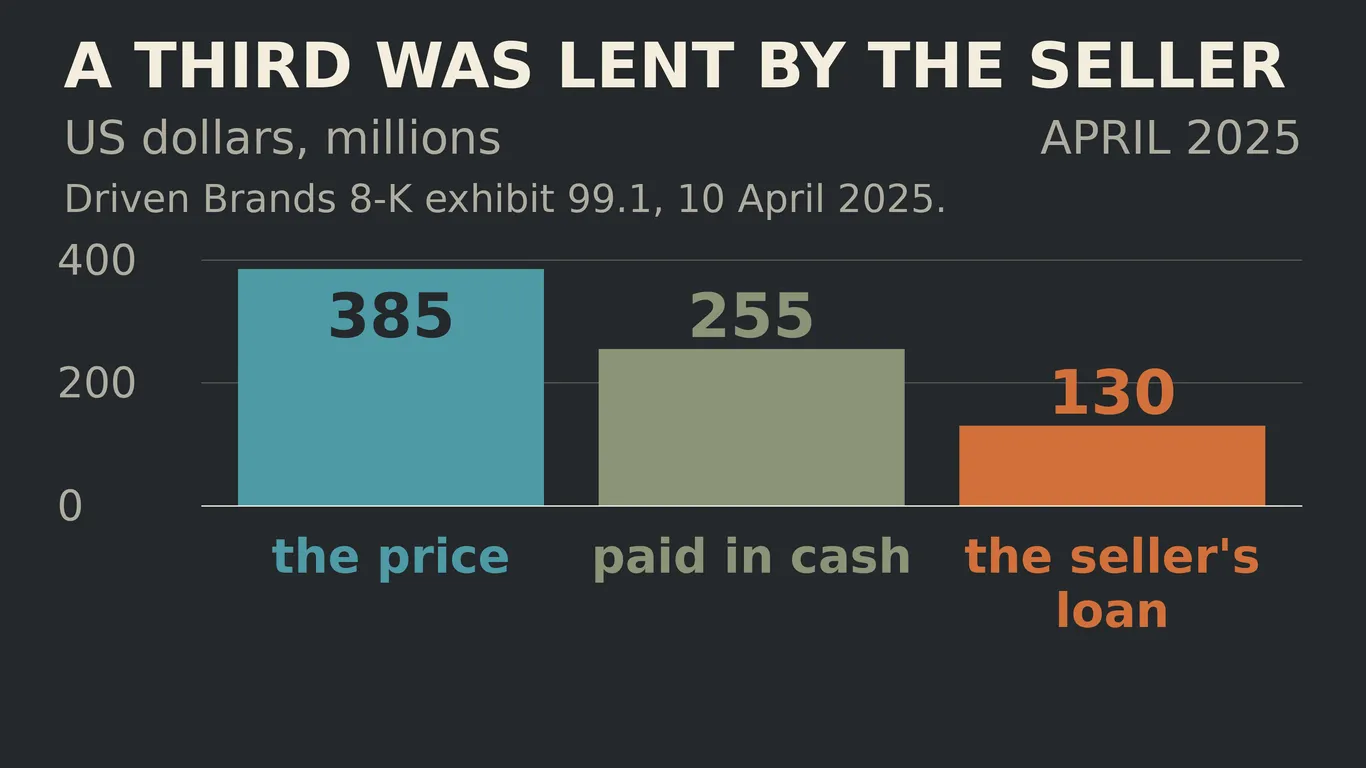
In April 2025, a company called Driven Brands sold its entire American car wash business: 382 sites, for $385 million.1 Only two thirds of it was cash. The rest was a loan. From the seller. To the buyer. So the buyer could afford the price.
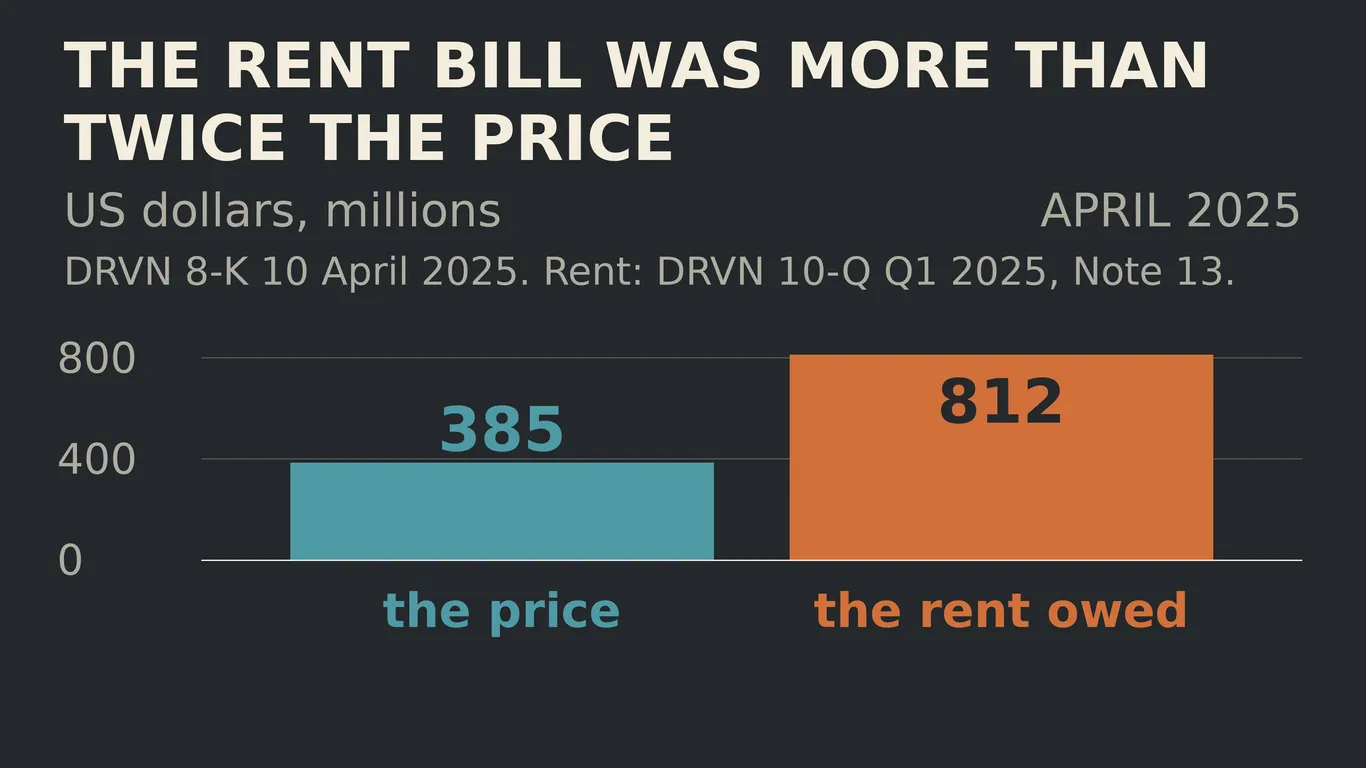
And the price is not the strange part. Driven Brands did not own most of those car washes. It had sold the buildings years earlier to property investors and rented them back. It still owed $812 million in rent on them.2
So the buyer paid $385 million for the company and picked up $812 million of rent along with it. The rent bill was more than twice the price.
Six weeks earlier, one of the biggest chains in the country had gone into bankruptcy owing $653 million, with $1 million in the bank.3 Americans did not stop washing their cars, and the number who wanted a clean one did not double. The number of places to get one very nearly did.
What broke was a loop. And the loop is going to look, for a while, like the best idea anyone has ever had.
An acre of dirt
Start with the thing itself. An acre of land, a tunnel 120 feet long, and a row of free vacuums, which is the only moment in this story where nobody is charged for anything.
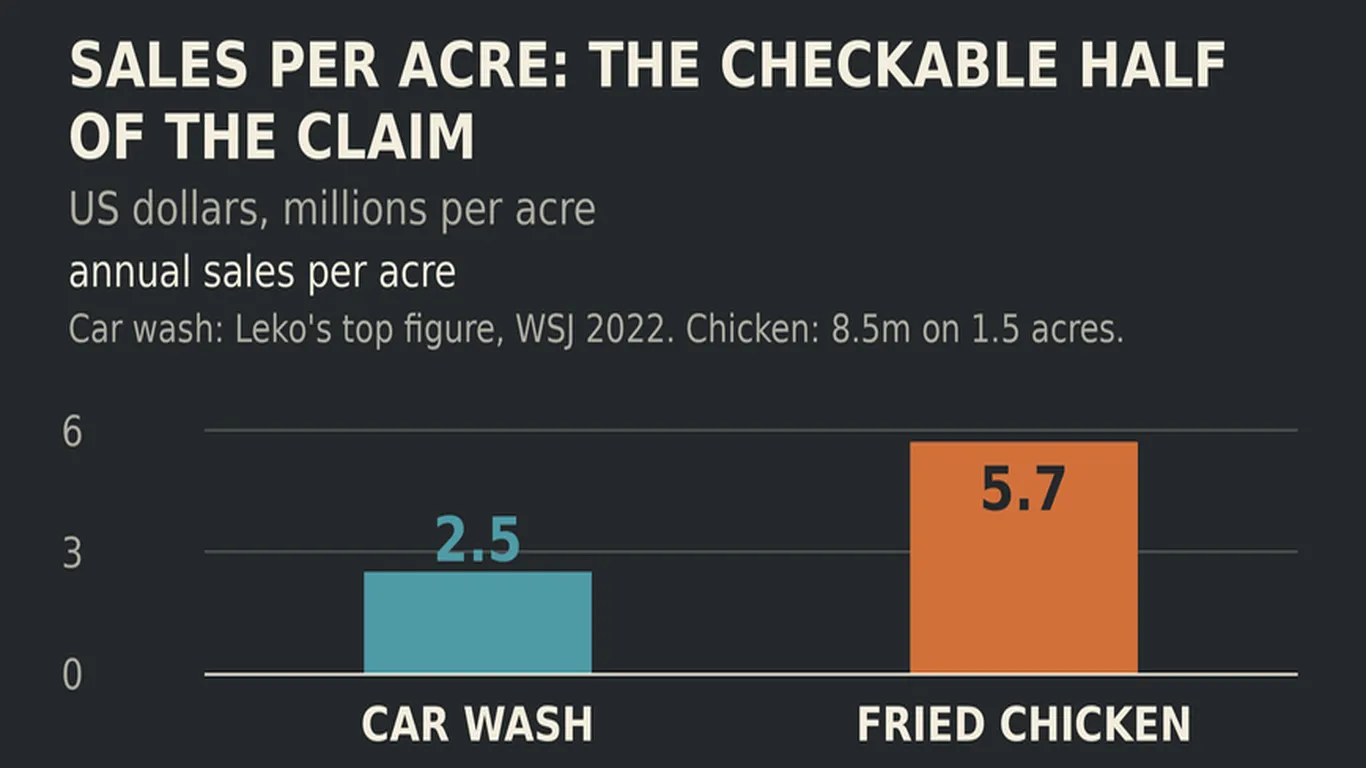
A good site takes in between $1 million and $2.5 million a year, and here is how that got sold to investors. A property broker called Jeff Leko said this to the Wall Street Journal in 2022. There is no other operation on a one acre site, he said, that can do $1 million to $2.5 million in sales, and pocket half of that.4
He made two claims in that one sentence, and the first is checkable in about a minute. A Chick-fil-A takes about $8.5 million a year, on one and a half acres.5 So on sales per acre a fried chicken restaurant beats a car wash comfortably.
Which leaves his second claim, and that is the one the money was chasing. Pocket half of it. That one is harder to check, and it is broadly right. A car wash really can keep something near half.
The staff are paid for the shift, standing in that tunnel whether the car arrives or not, and the soap is under a dollar. So one more car through a tunnel already open and already staffed costs a bit under $1.50. Whistle Express, the company that bought these, sells its cheapest monthly plan for $23, and a member who uses it twice a month costs about $3 to serve.
Though the pass is not really about the washes. A car wash without members will live or die on the weather. It rains for a fortnight, nobody comes, and those two weeks are simply gone. A car wash with five thousand members has money arriving on the first of the month whether it rains or not. It has turned a weather forecast into a contract.
Hold on to that, because it becomes the reason anybody lends against a car wash at all.
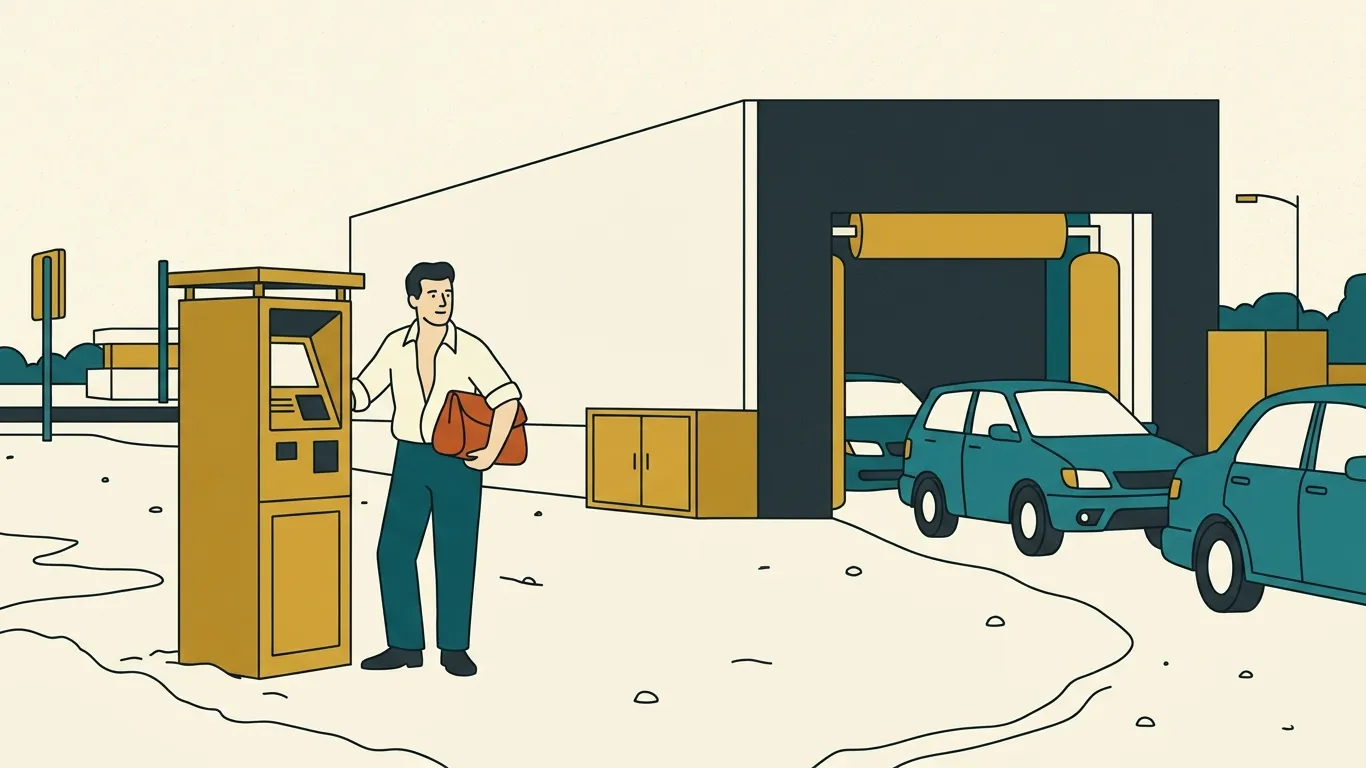
The loop
So. A business that prints money on an acre of dirt. Private equity arrived, and a single site cost between $4 million and $8 million to build.6 Thousands of them went up, and the money going in ran to billions a year.
No operator had that kind of money. And a bank will lend against a building. A bank will not lend billions against a promise to keep people subscribed. The money came from the loop, and that is the whole story.
A man buys an acre. He builds a tunnel on it. It costs him $6 million. He opens it. He signs up members. Then he sells the land and the building to a property investor, and rents it straight back off him.
Nothing about the car wash changes. Same tunnel, same staff, same soap. He just does not own it any more, and now he pays rent. That trade is a sale and leaseback, and it is the engine under everything that follows.
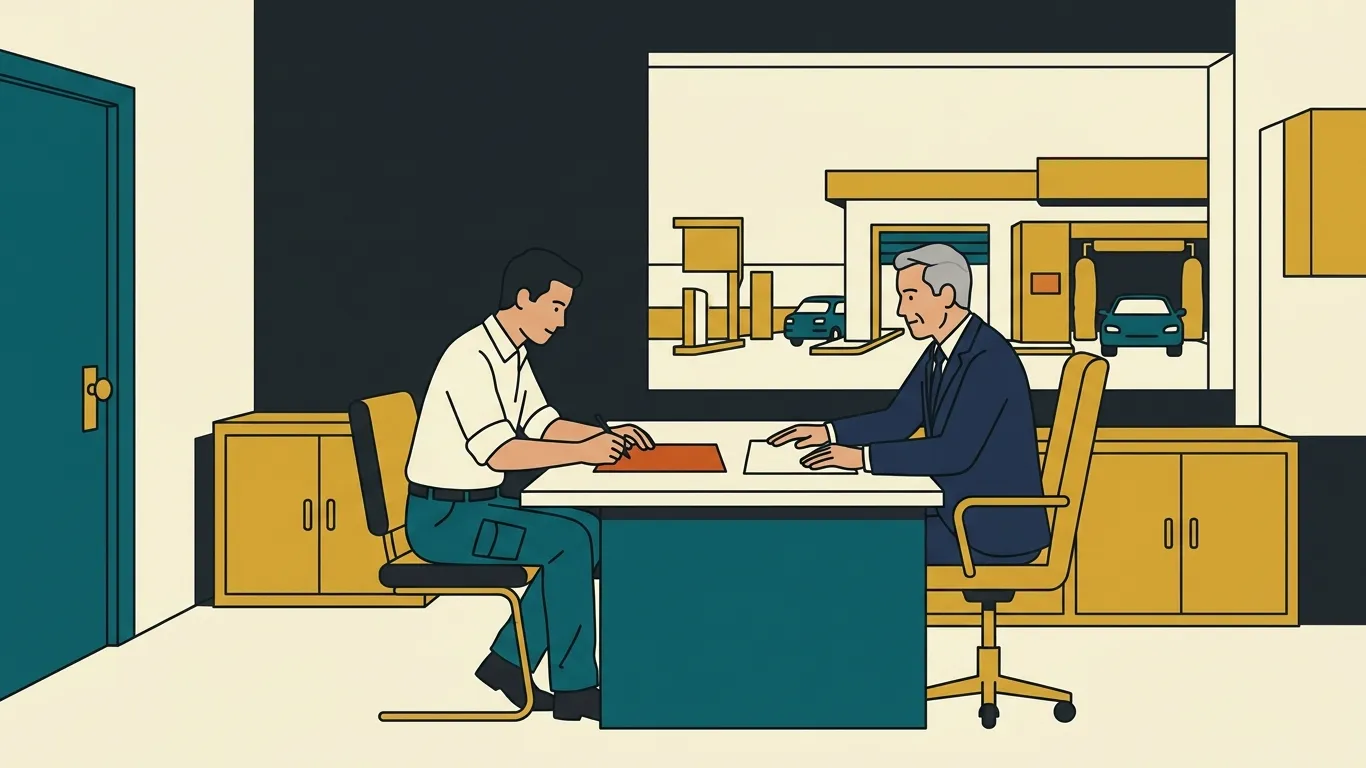
The investor is buying a rent cheque, and he weighs it the way anyone weighs a savings account. He wants six percent a year on his money. The rent on the car wash is $360,000 a year. Six percent of $6 million is $360,000. So the investor pays $6 million. Rent, divided by the return the buyer wants, gives the price.
Which means the operator spent $6 million building it and has just taken $6 million back out. In cash. In one transaction.
Nobody says the next part out loud. Nobody calculated that the rent should be $360,000. The operator proposed it. He is the seller, and he is about to be the tenant, so the rent he proposes is the rent he pays himself out of his own till. A rent of $360,000 produces a price of $6 million, which is what he spent.
The only thing between that and pure fiction is whether the buyer checks the site can afford it. In 2021, with money this cheap, buyers were checking that against sites that had been open eight months. And they were comfortable, because a building can be repossessed. It is steel and concrete on land and somebody will buy it.
What cannot be repossessed is a plan to keep five thousand people paying every month. Spreadsheets do not get repossessed. That is what the membership was really for. It made money, and it made the rent look affordable on paper, and only one of those two was being priced.
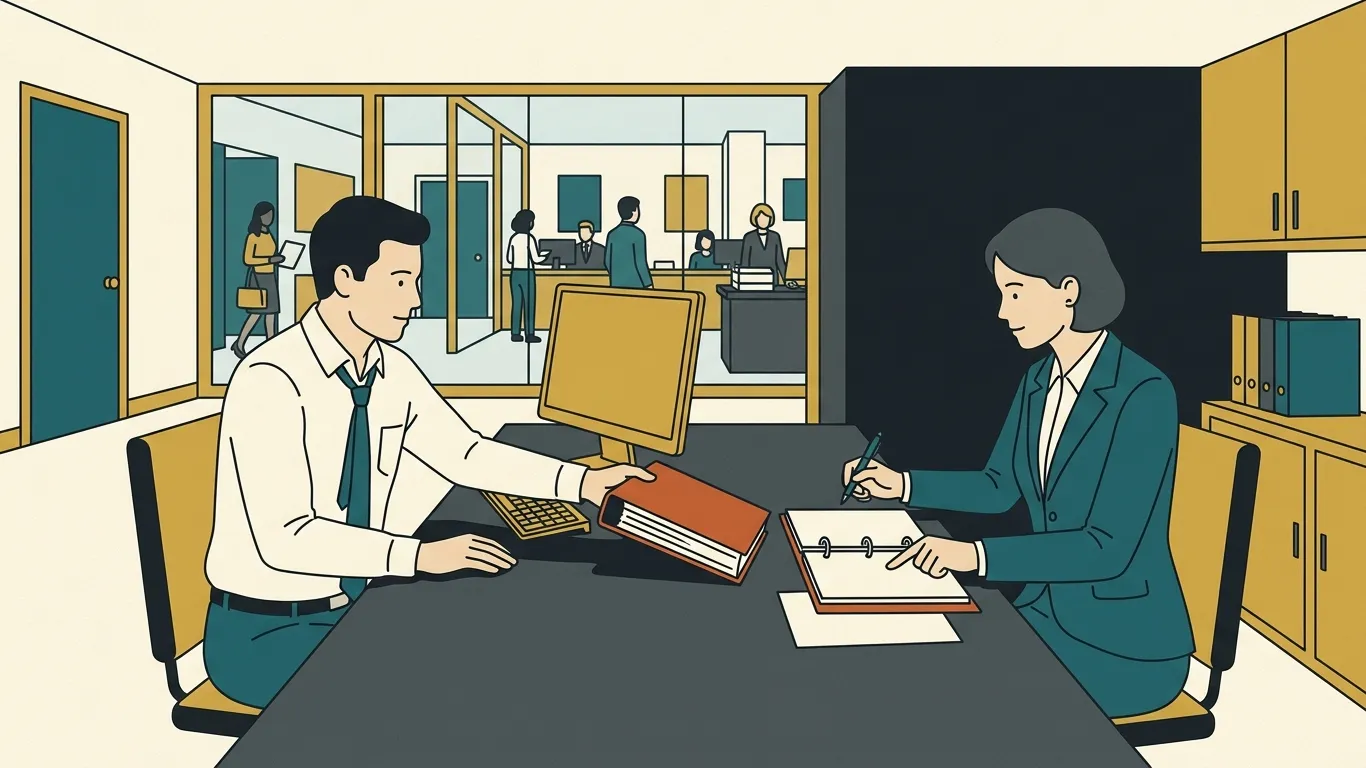
So the man takes his $6 million and builds the next one. Every car wash he finished paid the deposit on the next two. That loop is the boom. Demand barely moved. The money went round faster.
The bill
Now the bill. Because rent arrives every month, forever, and rent does not fall when it rains for three weeks.
Say the site takes in $1.5 million a year. Rent takes $360,000 and he keeps about $250,000. Now three competitors open on his road and he loses ten percent of his members, which is about seven percent of his revenue. Almost none of the costs go with it, because the rent is fixed and the staff are paid for the shift. So a seven percent fall in revenue takes forty percent of his profit. That is what a fixed bill does, and he wrote this one himself.
Then, in 2022, the Federal Reserve started raising interest rates. When a government bond pays two percent, an investor will happily take six percent from a car wash. When that same bond pays five percent, six percent from a car wash is barely worth the paperwork.7
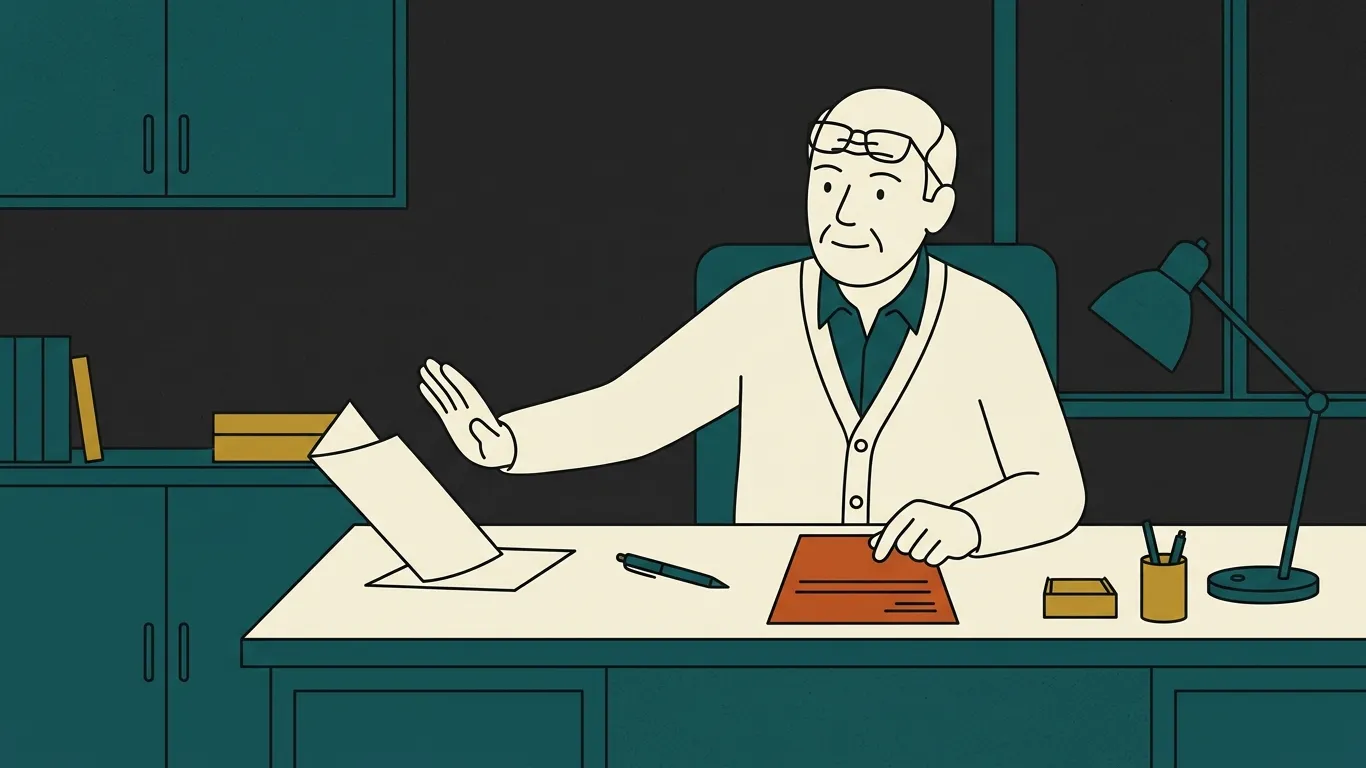
So the investor wants more. And the only way to get more out of a rent that never changes is to pay less for the building. Say he now wants eight percent. That same $360,000 of rent now buys a building worth $4.5 million. The man built it for six.
The loop is still running. It is running backwards. A site finished in 2023, built at the new cost and valued at the new rate, was worth less than it cost on the day it opened. No number of cars washed fixes that. No number of members fixes that.
And their own borrowing moved with the same rates, so the payments rose at the exact moment the buildings lost value.
The chain that ran it hardest
Watch what that did to the company that ran the loop hardest. ZIPS is the chain from the opening, the one with $1 million in the bank. It filed for bankruptcy in February 2025, owing $653 million.3
One line of the accounts explains it, the interest bill. $59 million in 2022. $93 million the year after.8 An extra $34 million a year. Against a business holding $1 million in cash. $279 million of debt was cancelled and the lenders took the company.9
From the other direction
Driven Brands, the company from the opening, came at it from the opposite direction and arrived at the same place. In August 2020 it bought the International Car Wash Group and announced it was excited to welcome them to its growing family of brands.
Three years later it wrote $851 million off the value of the car wash business.10 Writing something off means saying out loud, in an audited document, that you paid more than it was worth.
The chief executive put it carefully, and it is damning anyway. Given weak consumer demand and increasing competition, he said, we are strategically pausing capital investment in this business. You stop building when the next site is worth less than it costs to build.
The man who called it
Which brings us back to the sale this started with. The same 382 sites, and a third of the price lent by the seller. The buyer was a chain called Whistle Express.
Its boss, José Costa, had gone on the record a year earlier complaining that the industry was building across from itself. In Shelby, he said, there are three car washes. That is just not good for the industry.
He was completely right. Being right about it is exactly what put him in a position to buy 382 of them at the bottom.
Where the money comes to rest
A crash like this leaves nothing to photograph. It leaves a sale, and a buyer who is the man who called it.
When a chain goes bankrupt the building does not go with it. It has a landlord, and that landlord has a lease with fifteen years to run. Sometimes that lease survives and somebody else keeps paying it. Sometimes the court lets the tenant walk away, and then the landlord owns a shed with equipment pits under the slab that almost nobody else can use.
Nobody publishes how many went each way. Some of those landlords are funds, and a fund can absorb either outcome. Some are private individuals who put the proceeds of one property into one car wash, because six percent looked generous in 2021.
That is where the money finally comes to rest. On the rent roll of whoever was last to believe the number.
Sources
-
Driven Brands Holdings, Form 8-K, April 2025. ↩
-
Driven Brands Holdings, Form 10-Q for the first quarter of 2025, Note 13: operating lease liabilities of $811,985,000. ↩
-
ZIPS Car Wash, Chapter 11 first day declaration, 5 February 2025: $653.9 million of funded debt and $1 million of cash. ↩ ↩2
-
Jeff Leko of Hanley, quoted in the Wall Street Journal, 2022. ↩
-
Restaurant Business, on the Chick-fil-A 2023 franchise disclosure document: median standalone sales of $8.6 million. ↩
-
Build cost range from MMCG, Neo Advisory and the Wall Street Journal, August 2022. ↩
-
10-year US Treasury yield, Federal Reserve Bank of St Louis, series GS10. It peaked at 4.98% in October 2023. ↩
-
ZIPS Car Wash interest expense for 2022 and 2023, from its Chapter 11 case. ↩
-
ZIPS Car Wash Chapter 11 plan as confirmed, a $279 million debt-for-equity exchange, reported by Law360. ↩
-
Driven Brands Holdings, Form 10-K for fiscal 2023: impairment of the car wash business. ↩